Often recited during Benediction of the Blessed Sacrament, The Divine Praises are one of the most beloved traditions in the Catholic Church. This powerful prayer is a profound way for the faithful to offer honor to God and make reparation for blasphemy and profane language.
Whether you are participating in Eucharistic Adoration or just looking for a prayer of reparation for your private devotion, the Divine Praises offer a beautiful structure for praising the holiness of God and His creation.
The Full Text of the Divine Praises
Blessed be God.
Blessed be his holy Name.
Blessed be Jesus Christ, true God and true man.
Blessed be the Name of Jesus.
Blessed be his most Sacred Heart.
Blessed be his most Precious Blood.
Blessed be Jesus in the most holy Sacrament of the altar.
Blessed be the Holy Spirit, the Paraclete.
Blessed be the great Mother of God, Mary most holy.
Blessed be her holy and Immaculate Conception.
Blessed be her glorious Assumption.
Blessed be the name of Mary, Virgin and Mother.
Blessed be Saint Joseph, her most chaste Spouse.
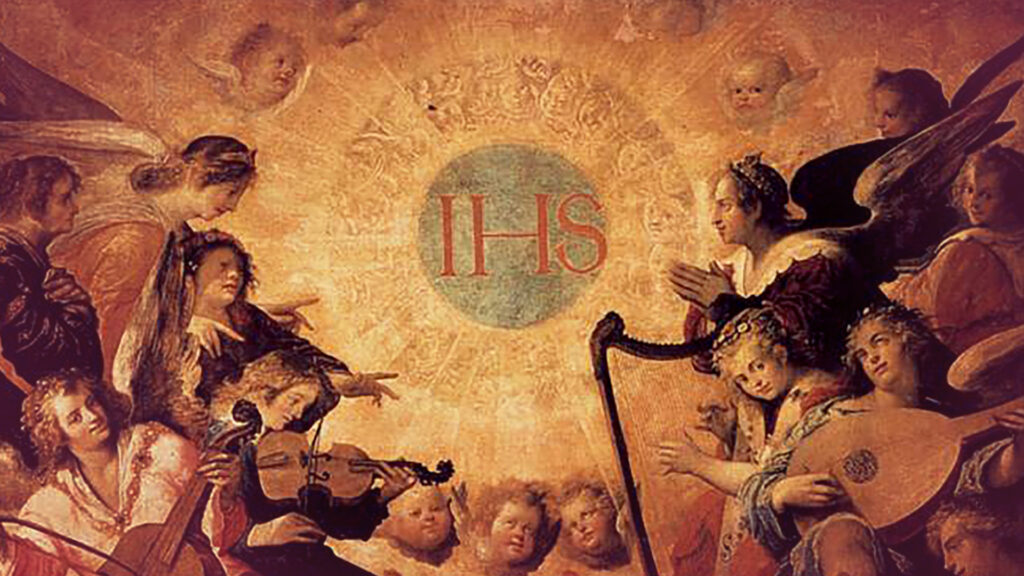
Blessed be God in his Angels and in his Saints.
Divine Praises in Latin: Laudes Divinae
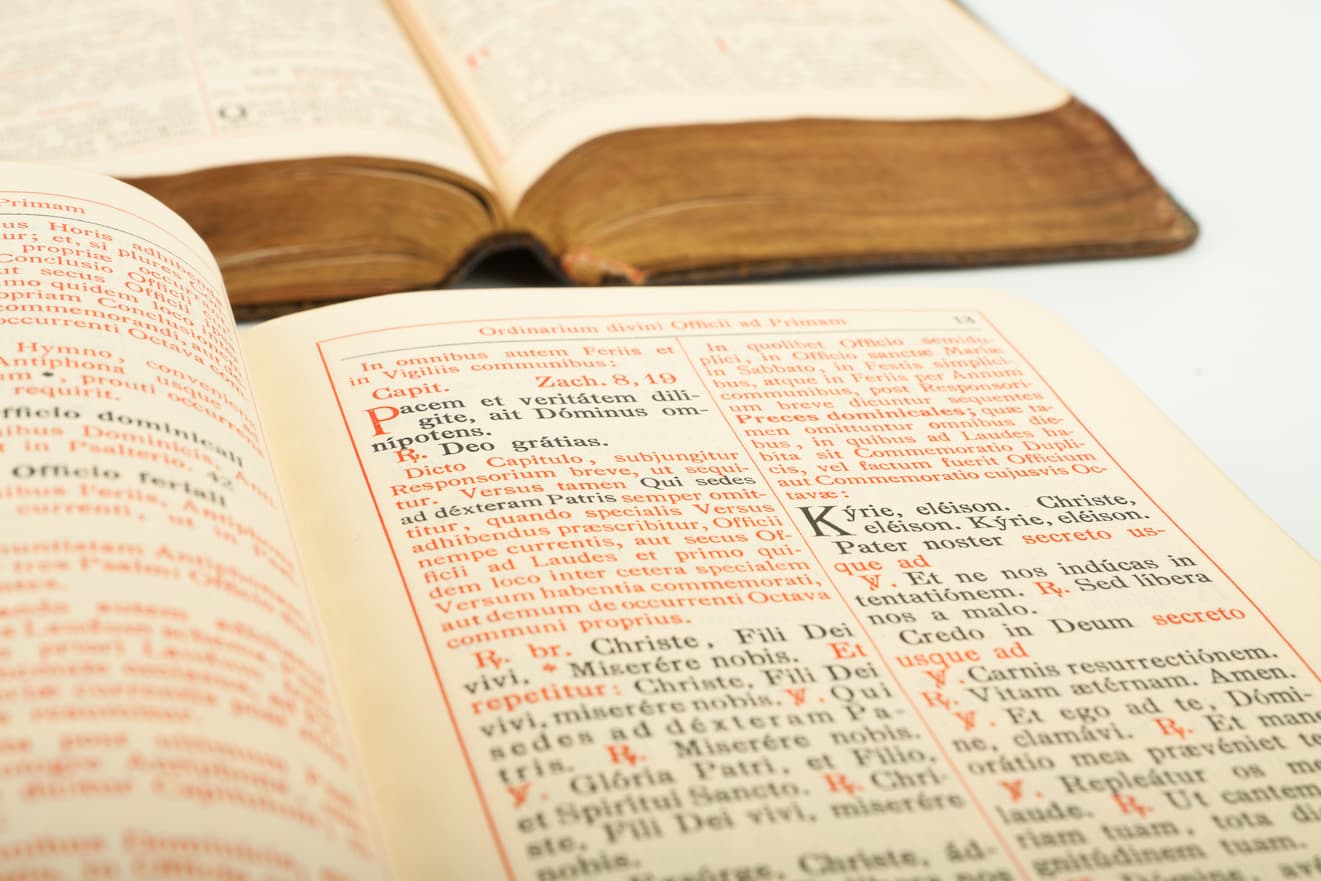
For those who prefer to pray in the Church’s traditional language, the Divine Praises are provided below in Latin.
Benedictus Deus.
Benedictum Nomen Sanctum eius.
Benedictus Iesus Christus, verus Deus et verus homo.
Benedictum Nomen Iesu.
Benedictum Cor eius sacratissimum.
Benedictus Sanguis eius pretiosissimus.
Benedictus Iesus in sanctissimo altaris Sacramento.
Benedictus Sanctus Spiritus, Paraclitus.
Benedicta excelsa Mater Dei, Maria sanctissima.
Benedicta sancta eius et immaculata Conceptio.
Benedicta eius gloriosa Assumptio.
Benedictum nomen Mariae, Virginis et Matris.
Benedictus sanctus Ioseph, eius castissimus Sponsus.
Benedictus Deus in Angelis suis, et in Sanctis suis.
The Origins of the Divine Praises (1797)
While it may feel like an ancient liturgical constant, the Divine Praises were composed in 1797 by the Jesuit priest Fr. Luigi Felici. The historical context for the prayer was one of spiritual urgency; Fr. Felici wrote the sequence specifically as an act of reparation to combat the prevalence of blasphemy and sacrilege in society.
Over the centuries, the prayer has evolved. While the original version was shorter, various Popes added specific invocations to honor the Sacred Heart, the Immaculate Conception, and the Precious Blood. This evolution reflects the prayer’s role as a living, growing expression of the Church’s devotion.
Why Do We Pray the Divine Praises?
At its core, the Divine Praises is a prayer of reparation. To “make reparation” is to offer something of value to counteract an offense. When the world is filled with harsh words or indifference toward the sacred, the faithful offer these praises to God as a way of saying, “Your Name is holy, despite the ways others may offend You.”
By systematically praising the Holy Name, the Incarnation, the Blessed Sacrament, and the Communion of Saints, the prayer invites us to offer our hearts to the goodness of God and to thank and praise Him for these mysteries of the Faith.
How to Incorporate the Divine Praises into Your Life
While many Catholics encounter this prayer exclusively at the end of Benediction of the Blessed Sacrament, it is a powerful tool for personal prayer:
- During Adoration: It serves as a perfect concluding act of worship before the reposition of the Blessed Sacrament.
- In Daily Life: Many find it helpful to recite the Divine Praises when they encounter public profanity, as a way to quietly “repair” the atmosphere with an act of reverence.
- During Times of Stress: The repetitive nature of the prayer acts as calming meditative practice, bringing our minds back to the reality of the power of God and the expressions of His love for us.
Frequently Asked Questions (FAQ)
Why were the Divine Praises written?
The Divine Praises were originally composed by Fr. Luigi Felici to make reparation for blasphemies uttered against God, the Holy Name of Jesus, and the Church.
Can laypeople pray the Divine Praises outside of Benediction?
Yes. It is a powerful prayer for private devotion, particularly for those seeking to make an act of reparation or cultivate a deeper sense of reverence.
What is the “reposition” of the Blessed Sacrament?
The “reposition” occurs at the conclusion of Eucharistic Adoration when the Blessed Sacrament is returned to the tabernacle. The Divine Praises are traditionally prayed just before this, serving as a final act of adoration.
Are the Divine Praises required during Adoration?
While they are a deeply established and traditional part of Eucharistic devotions, they are optional in the current rites of the Church.
Deepen Your Eucharistic Devotion
The Divine Praises are just one part of an interior life centered on the Eucharist. Explore our other resources to deepen your understanding and prayer:
- Understanding Devotion to The Eucharist – At the heart of our Catholic faith lies our devotion to Jesus in the Holy Eucharist, the pinnacle of all the sacraments.
- Common Catholic Prayers – Explore our curated list of essential devotions for daily life.
- The Sacred Heart of Jesus – Learn more about the history and significance of this vital devotion mentioned in the Divine Praises.
- Prayers and Devotions – Explore our full list of Catholic Devotions and prayers.