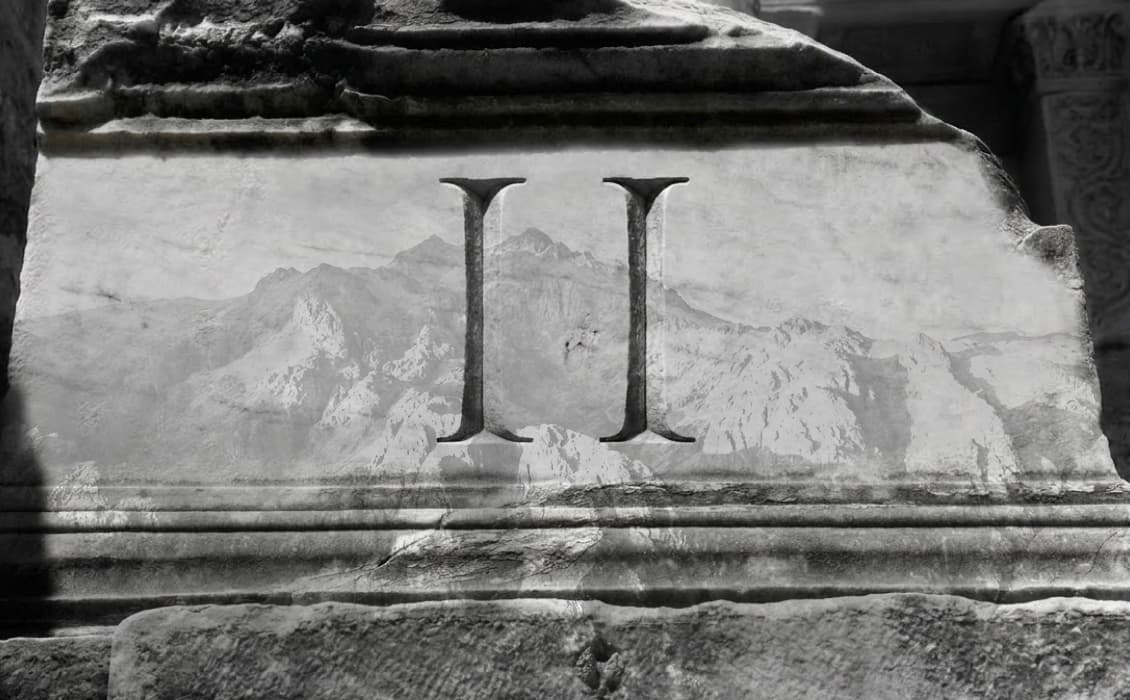
In a world filled with casual exclamations and digital shouting matches, the power of words is often underestimated. Yet, for the Catholic, language is not merely a tool for communication; it is a reflection of the soul’s orientation toward its Creator. This reality is governed by a divine law that many find difficult to navigate in modern culture. To live a life of holiness, we must first ask: What is the second commandment?
The Catholic Second Commandment is: “You shall not take the name of the Lord your God in vain.”
While many believe this simply means avoiding “bad words,” the scope of this commandment is much wider. It involves the interior disposition of our hearts, the integrity of our promises, and the profound reverence we owe to the Holy Name of Jesus.
To understand the weight of this law, we look to the Second Commandment in the Bible, specifically Exodus 20:7: “You shall not take the name of the Lord your God in vain; for the Lord will not hold him guiltless who takes his name in vain.”
In the ancient Hebrew context, a name was not a random label. A name revealed the essence, the authority, and the presence of the person. To know someone’s name was to have a relationship with them. When God revealed His name – YHWH – to Moses, it was an act of incredible divine intimacy. He gave His people the means to call upon Him, to worship Him, and to be saved by Him.
“Give thanks to the Lord, call upon his name; make known his deeds among the nations, proclaim that his name is exalted” (Isaiah 12:4)
Because the Name represents God Himself, any abuse of that Name is a direct abuse of God. The Bible warns that God “will not hold him guiltless,” highlighting that our speech has eternal consequences.
When we ask what the second commandment means, we are looking at the virtue of Religion. This virtue dictates that we owe God honor, as the Creator and Lord of all, and our speech is the primary way we express that honor.
The Second Commandment is not just a “Don’t.” It is a resounding “Do.” It commands us to:
For Christians, the Second Commandment finds its fulfillment in the Name of Jesus. St. Paul tells us that “at the name of Jesus every knee should bow, in heaven and on earth and under the earth” (Philippians 2:10). The Holy Name is a prayer in itself – a sacramental that carries the power to drive away evil and bring peace to the soul.
“For everyone who calls upon the name of the Lord will be saved” (Romans 10:13).
The word “vain” (from the Latin vanus) means empty, useless, or without purpose. Taking the Lord’s name in vain occurs when we use the Name of God as if it were a “nothing” – a filler word, an exclamation of anger, or a punchline to a joke.
One of the most frequent questions regarding this commandment is: “Is it a sin to say ‘Oh my God’ (OMG)?” Technically, using God’s name as an exclamation of surprise or annoyance is taking it in vain because it is being used without its proper purpose (which is prayer or praise).
While it may not always rise to the level of a mortal sin if said out of habit or without full intent, it is a venial abuse of speech that desensitizes us to the holiness of God. It treats the Creator of the Universe as a casual linguistic accessory. This has the effect of reducing faith and increasing the influence of the world, the flesh, and the devil in our lives and in the world around us.
It is important to distinguish between two types of “bad speech”:
The Second Commandment also governs the legal and formal use of God’s name.
A thorough examination of conscience regarding this commandment should include:
When we realize how much our culture (and perhaps our own past) has abused the Holy Name, we should feel a desire to make reparation. Reparation is the act of “making it right” or offering love to God to make up for the offenses of others.
The Church offers a beautiful and powerful way to do this: The Devotion to the Holy Face of Jesus. This devotion was given by Our Lord to Sister Mary of St. Peter in the 19th century, specifically as a “weapon” to combat blasphemy and the profanation of Sundays (the 2nd and 3rd commandments). Our Lord described blasphemy as a “poisoned arrow” that continually wounds His Heart. By contemplating and honoring the Holy Face of Jesus, we offer Him a “Golden Arrow” of love that heals those wounds.
If you struggle with speech or feel called to pray for the conversion of those who mock God, we highly recommend the Holy Face Chaplet. This virtual prayer resource provides everything you need to learn the devotion, understand its history, and begin making reparation for abuses against the Holy Name.
Mortal sin requires full consent of the will. If a word slips out due to a lifelong habit, it may lack the gravity of a mortal sin, but it is a signal that you need to work on “custody of the tongue” and offer a quick internal prayer of apology, such as “Blessed be the Name of the Lord.”
If swearing means using vulgarity (slang for bodily functions), it is a sin against decorum and charity. If swearing means using God’s name to wish harm on someone, it is a grave violation of the Second Commandment.
The best way to stop a bad habit is to replace it with a good one. Every time you hear someone else use God’s name in vain, or if you do it yourself, immediately say in your heart: “Jesus, I love You; have mercy on us.”
What is the Second Commandment? It is the guardian of our relationship with God. It reminds us that our words have power – the power to bless or the power to wound. When we treat the Name of God with the reverence it deserves, we begin to see the world differently. We realize that we are always in His presence.
By moving from “vain” speech to “venerating” speech, we transform our daily lives into a continuous prayer.
Do you find yourself struggling with your speech or the integrity of your promises? Use our Detailed Examination of Conscience for Adults to reflect on your words and prepare for a transformative Confession.
No Subscriptions, NoPaywall, 100% Free!
Experience the richness of our Catholic Faith with the free Covenant Network app, now available on your iPhone or Android.


No Subscriptions, NoPaywall, 100% Free!
Experience the richness of our Catholic Faith with the free Covenant Network app, now available on your iPhone or Android.


An initiative of Covenant Network
A new app for daily prayer and the interior life, coming to iOS.