In the realm of Catholic traditions, countless practices hold deep significance, but few are as widely practiced and cherished as praying a novena.
A novena is a traditional Catholic devotion consisting of prayers said over nine consecutive days, usually dedicated to a specific saint or offered for a specific intention.
Derived from the Latin word novem (nine), this practice models the nine days the Apostles and the Blessed Virgin Mary spent in prayer between the Ascension of Jesus and Pentecost. Whether you are seeking a miracle, spiritual growth, or peace in a difficult time, the novena is a powerful way to discipline your prayer life and seek God’s grace.
The Biblical Origin of Novenas
While the word “novena” is not explicitly found in Scripture, the practice is deeply rooted in the New Testament.
In the book of Acts (1:12-14), Jesus ascends into Heaven and commands His Apostles to wait in Jerusalem for the promise of the Holy Spirit. Along with the Blessed Virgin Mary, the Apostles “devoted themselves with one accord to prayer” for nine days. On the tenth day, the feast of Pentecost, the Holy Spirit descended upon them in tongues of fire.
This nine-day period of anticipation and prayer is considered the “first novena” of the Church.
The 4 Types of Novenas
While all novenas share the nine-day structure, they are generally prayed for four distinct reasons. Understanding these can help you choose the right prayer for your current season of life.
1. Preparation
These novenas are prayed in anticipation of a major feast day to prepare the soul for the celebration.
- Example: The Christmas Novena (St. Andrew Novena) or the Divine Mercy Novena leading up to Divine Mercy Sunday.
2. Petition
This is the most common form, where the faithful ask God—often through the intercession of a saint—for a specific need, such as healing, employment, or the resolution of a difficult situation.
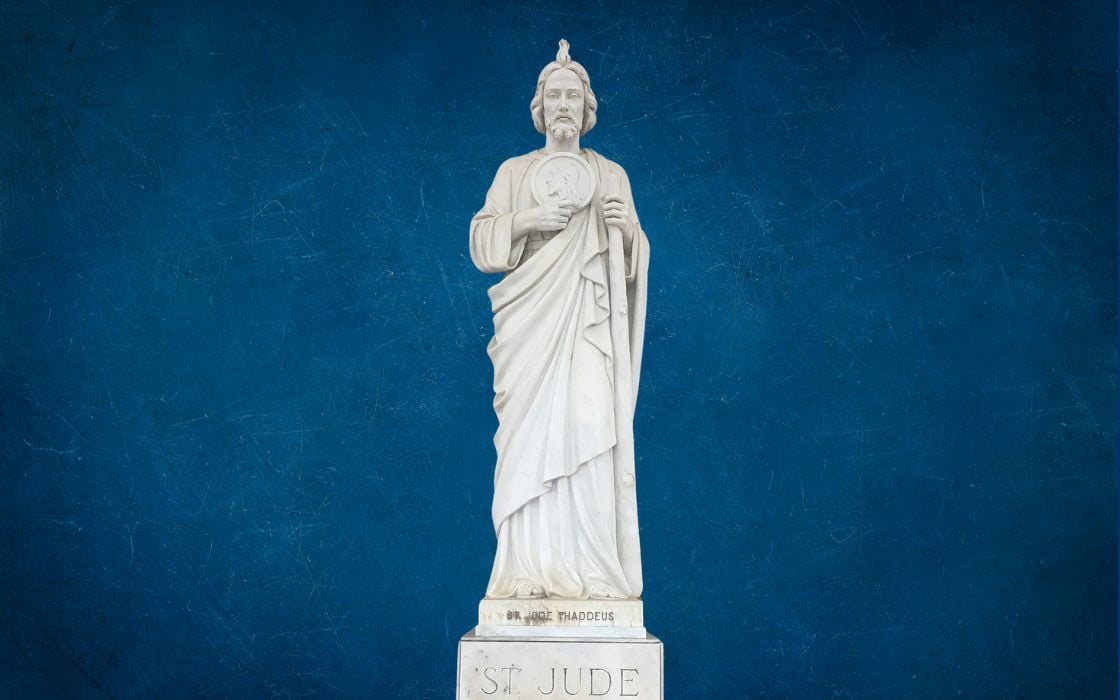
- Example: The St. Jude Novena for desperate cases or the St. Raphael Novena for healing and marriage.
3. Indulgence
These are prayers prayed for the remission of the temporal punishment due to sins. The Church attaches specific indulgences to certain novenas when prayed with the correct disposition.
- Example: The Novena to the Sacred Heart of Jesus.
4. Mourning
Often called “Novena for the Holy Souls,” these are prayed for the faithful departed. In many cultures, it is customary to pray for nine days following the death of a loved one.
How Do You Pray a Novena?
Praying a novena does not require complex theology; it only requires a humble heart and consistency. Here is a step-by-step guide:
1. Choose a Specific Intention
Identify what you are praying for. Are you seeking clarity? Healing? Or perhaps you simply want to thank God for a favor received. Be specific in your petition.
2. Select a Novena
Find a prayer that resonates with your need. You might choose a saint who is the patron of your specific struggle (e.g., St. Peregrine for cancer, St. Joseph for work).
- Need help choosing? See our list of Popular Novenas below.
3. Set a Daily Time
Consistency is key. Whether it is first thing in the morning or right before bed, decide on a time to pray your novena each day for nine days.
4. Follow the Structure
Most novenas follow a simple format:
- The Sign of the Cross.
- Opening Prayer: A traditional invocation or personal prayer.
- The Daily Prayer: The specific text assigned for that day of the novena.
- Personal Petition: Mention your specific intention.
- Closing: Often an “Our Father,” “Hail Mary,” and “Glory Be.”
5. Consider Attending Mass
While not strictly required, attending Mass or Adoration during your novena reinforces your prayers and unites your personal intention with the Holy Sacrifice of the Mass.
Popular Novenas to Start With
If you are new to this devotion, here are four powerful novenas to begin with:
- The Surrender Novena: Perfect for those struggling with anxiety or the need to control outcomes. It teaches total abandonment to God’s will.
- The Three Hail Marys Novena: A simple yet powerful devotion for purity and protection from sin.
- St. Charbel Novena: St. Charbel is known for obtaining miraculous healings and interceding for impossible causes.
- St. Raphael Novena: Ideal for those seeking healing or looking for a godly spouse.
Why Are Novenas So Powerful?
Novenas are not “magic spells” that force God to answer us; rather, they change us. They are effective because of:
- Intentional Repetition: Praying for nine days demonstrates perseverance and commitment. As Jesus taught in the Parable of the Persistent Widow, we should “pray always without becoming weary.”
- Quieting the Heart: The duration allows us to step out of the noise of daily life and enter a period of reflection, allowing us to hear God’s voice more clearly.
- The Communion of Saints: By asking for the intercession of a saint, we are not praying to them, but asking them to pray with us and for us, just as we would ask a friend.
Frequently Asked Questions (FAQ)
Do I have to pray at the same time every day?
No. While praying at the same time helps build a habit, the efficacy of the novena is not tied to the clock. You can pray it whenever you have time during the day.
What happens if I miss a day?
If you miss a day, do not scrap the novena! You can either double up the prayers the next day or simply extend the novena by one day. God looks at the intention of your heart, not your perfection in execution.
Can I pray a novena for someone else?
Absolutely. Novenas of petition are frequently offered for friends, family members, or even enemies. It is a spiritual act of mercy.
Have a Need? Pray a Novena!
Novenas offer a structured way to navigate the chaotic seasons of life. They remind us that we are not alone—we are supported by God and the entire company of Heaven.
Ready to start? Browse our Full Library of Catholic Novenas and begin your journey of prayer today.