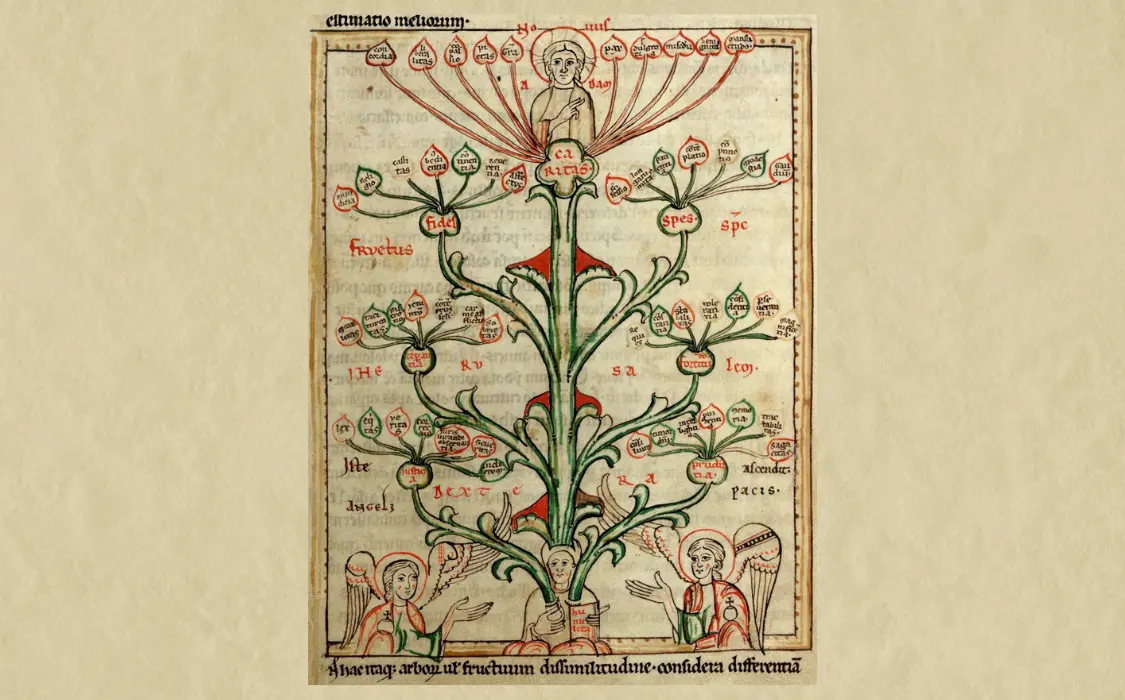
Top Image: “Tree of Virtues” from Speculum Virginum, Walters Art Museum Ms. W.72, fol. 26r
Prefer to Listen to this Article? (16 Mins)
What is a Virtue?
In Catholic theology, a Catholic virtue is not merely a good deed or a passing feeling. A virtue is a habitus—a stable, firm, and habitual disposition of the soul to do the good. It perfects our human faculties (our intellect and our will), making it easy, prompt, and joyful to act in accordance with reason and God’s divine law.
This complete Catholic virtue list draws on the Church’s settled teaching in the Catechism alongside the detailed theological synthesis of St. Thomas Aquinas, the most influential voice in the Scholastic tradition. Below you’ll find all seven Catholic virtues—three theological and four cardinal—along with the vices and Gifts of the Holy Spirit traditionally associated with each.
Quick Answer: The 7 Catholic Virtues at a Glance
The Catholic Church recognizes seven principal virtues, divided into two families:
The Theological Virtues
These are infused by God at Baptism, with God as their direct object:
- Faith (Fides) — Belief in God and all He has revealed through His Church.
- Hope (Spes) — Trust in God’s promise of eternal life and the grace to attain it.
- Charity (Caritas) — Love of God above all things, and neighbor for the love of God.
The Cardinal Virtues
These are the “hinge” virtues governing right action, acquired through habit and perfected by grace:
- Prudence (Prudentia) — Right reason applied to action; the “charioteer” of the other virtues.
- Justice (Justitia) — The constant will to give each person—and God—what is due.
- Fortitude (Fortitudo) — Courage to pursue the good despite fear or difficulty.
- Temperance (Temperantia) — Moderation of the desire for pleasure.
The sections below walk through each virtue in depth, including the vices opposed to it and its corresponding Gift(s) of the Holy Spirit.
Virtue vs. The Gifts of the Holy Spirit: What is the Difference?
While both virtues and the Gifts of the Holy Spirit guide us toward sanctity, Scholastic theology distinguishes them by their operator and the way they move the soul:
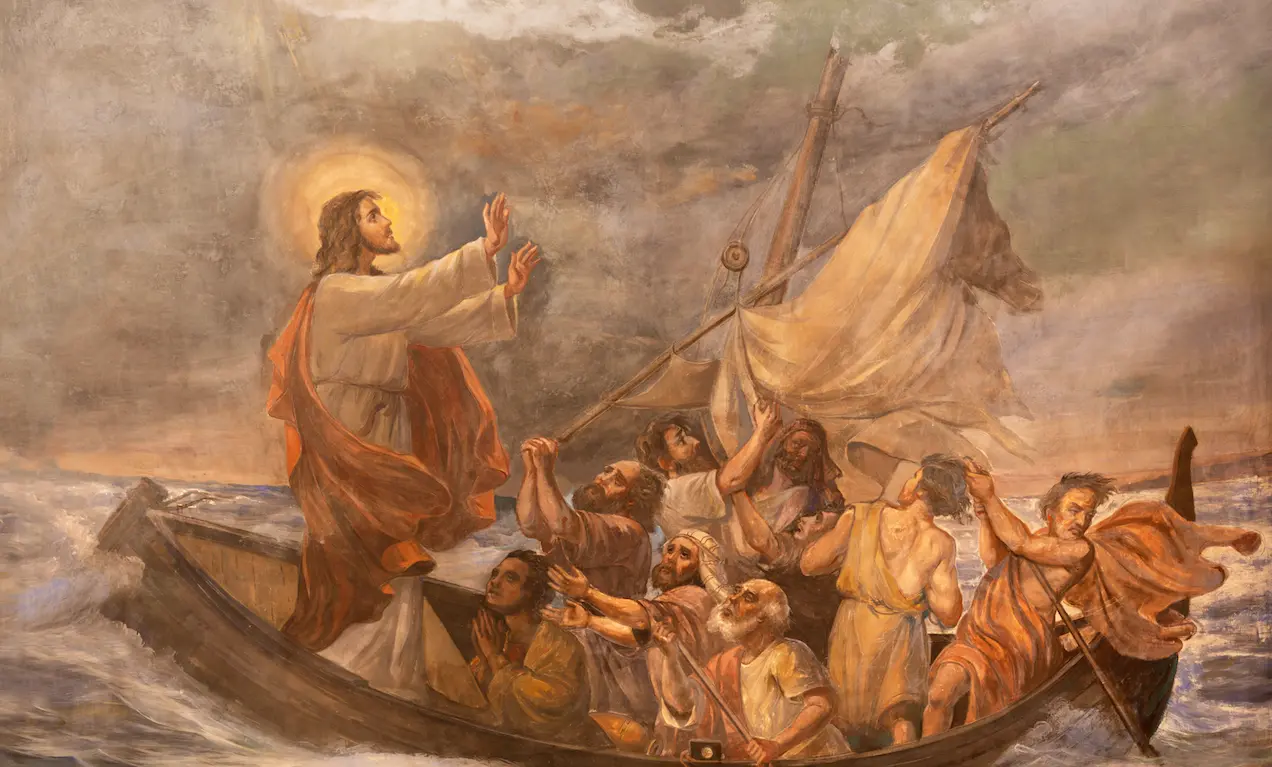
- The Virtues (Human & Infused): These operate under the control of human reason, aided by God’s grace. When practicing a virtue, you act intentionally, utilizing your intellect and will to choose the good. It is like a sailor rowing a boat using human strength and skill.
- The Gifts of the Holy Spirit: The 7 Gifts (Wisdom, Understanding, Counsel, Fortitude, Knowledge, Piety, and Fear of the Lord—drawn from Isaiah 11:2–3) make the soul entirely docile to the immediate prompting of God. When a Gift operates, the Holy Spirit is the primary driver, moving us effortlessly beyond the limits of human reason. It is like the wind catching the sails of the boat, moving it instantly without the sailor having to row.
A Note on Sources: Church Teaching vs. Scholastic Tradition
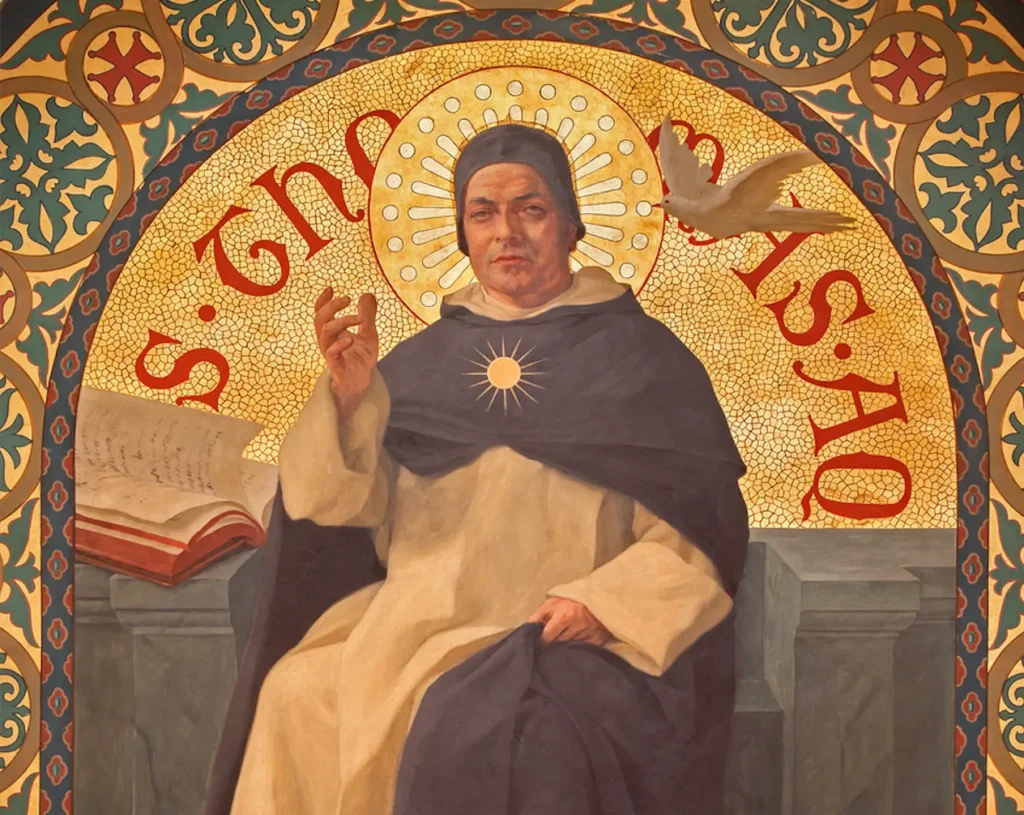
It’s worth distinguishing two layers of authority in this article. The existence of the three theological virtues, the four cardinal virtues, the sins opposed to faith and hope, and the seven Gifts of the Holy Spirit are part of the Church’s settled teaching, found in Scripture and the Catechism. The detailed subdivisions—the many named “parts” of Prudence, Justice, Fortitude, and Temperance you’ll see below—come from St. Thomas Aquinas’s systematic theological synthesis in the Summa Theologiae. This Scholastic elaboration is deeply respected and widely taught in the Church, but it is theological tradition rather than separately defined dogma.
Part I: The Theological Virtues
The theological virtues are infused into our souls at Baptism by God Himself. They are supernatural because their origin, motive, and direct object is God. Unlike the Cardinal Virtues, Faith and Hope are not divided by St. Thomas Aquinas into named “parts.” Instead, the Angelic Doctor illuminates each by contrasting it with the vices that oppose it, and by showing how each is perfected by a corresponding Gift of the Holy Spirit.
1. FAITH (Fides)
The supernatural gift by which we hold as true everything God has made known to us, trusting His Holy Church to faithfully hand on that revelation.
Vices Opposed to Faith
- Unbelief / Infidelity (Infidelitas): The willful refusal to believe truths that God has revealed; the general root from which the other sins against faith spring.
- Heresy (Haeresis): The obstinate denial or doubt, after Baptism, of a truth that must be believed with divine and Catholic faith.
- Apostasy (Apostasia): The total and willful abandonment of the Christian faith after having once professed it.
- Schism (Schisma): Breaking communion with the Pope or with the bishops and the faithful united to him.
- Blasphemy (Blasphemia): Speech that insults, mocks, or shows contempt for God, the saints, or sacred realities.
Gifts of the Holy Spirit That Perfect Faith
- Understanding (Donum Intellectus): A supernatural light that allows the soul to penetrate beyond the surface of revealed truths to grasp something of their inner meaning.
- Knowledge (Donum Scientiae): A supernatural judgment about created things, rightly ordering them as means toward God and eternal life.
2. HOPE (Spes)
The supernatural virtue by which we set our hearts on heaven and eternal life, trusting not in our own strength but in Christ’s promise to bring us there.
Vices Opposed to Hope
- Despair (Desperatio): The renunciation of hope in God’s mercy or power to save, ceasing to trust in the possibility of one’s own salvation.
- Presumption (Praesumptio): Expecting salvation either through one’s own powers without grace, or expecting God’s forgiveness and glory without genuine conversion and merit.
Gift of the Holy Spirit That Perfects Hope
- Fear of the Lord (Donum Timoris): A filial reverence and dread of offending God or being separated from Him, which restrains presumption, guards against despair, and sustains hope on its proper foundation.
3. CHARITY (Caritas)
The greatest of all virtues; the supernatural gift of loving God above every other good for who He is, and loving our neighbor for God’s sake.
Interior Effects of Charity
- Joy (Gaudium): The spiritual delight the soul takes in God and in the good of those it loves.
- Peace (Pax): The tranquility of order, both within the soul and between hearts united in the love of God.
- Mercy (Misericordia): A heartfelt compassion for the miseries of others that moves the will to relieve them.
Exterior Acts of Charity
- Beneficence (Beneficentia): Doing good to others in deed, the natural outward expression of loving them in our will.
- Almsgiving (Eleemosyna): Giving of one’s material goods out of mercy, to relieve a neighbor’s bodily or spiritual need.
- Fraternal Correction (Correctio Fraterna): Admonishing a neighbor who is sinning, out of love, in order to bring about his amendment.
Gift of the Holy Spirit That Perfects Charity
- Wisdom (Donum Sapientiae): A supernatural participation in God’s own knowledge, enabling the soul to judge and order all things according to divine truth, savoring the things of God above all else.
Part II: The Moral or Cardinal Virtues
The Cardinal Virtues (from the Latin cardo, meaning “hinge”) are the four foundational habits upon which all other moral human virtues hinge. They can be acquired through human effort and repetition, or supernaturalized by grace (Infused Cardinal Virtues).
4. PRUDENCE (Prudentia)
Often called the auriga virtutum (charioteer of the virtues), prudence is right reason applied to practice. It directs all other virtues by choosing the correct means to achieve a good end.
- Memory (Memoria): Drawing accurately upon past experiences to make wise decisions in the present.
- Intelligence (Intellectus): The clear grasp of the moral principles governing a current situation.
- Docility (Docilitas): A humble willingness to seek counsel and learn from the wisdom of others.
- Shrewdness (Solertia): The ability to quickly find the right course of action in unexpected or urgent circumstances.
- Reason (Ratio): The capacity to logically deduce and apply universal moral laws to specific concrete situations.
- Foresight (Providentia): The ability to look ahead and estimate the future consequences of a current choice.
- Circumspection (Circumspectio): Carefully weighing all the external circumstances surrounding an action to ensure it is appropriate.
- Caution (Cautio): The alertness to spot moral pitfalls, impediments, and evils in order to avoid them.
- Good Counsel (Eubulia): The habit of deliberating thoroughly and taking excellent advice before making a decision.
- Synesis: Sound judgment in ordinary, everyday situations according to common law.
- Gnome: Exceptional judgment in rare or complex cases where ordinary laws do not clearly apply.
5. JUSTICE (Justitia)
The firm and lasting resolve to render to each person, and to God, exactly what they are owed.
- Religion (Religio): Giving to God the ultimate honor and worship due to Him as Creator.
- Piety (Pietas): Rendering due honor, love, and service to our parents, family, and country.
- Observance / Respectfulness (Observantia): Showing due honor and deference to those in positions of legitimate authority and dignity.
- Obedience (Obedientia): Promptly carrying out the commands of our lawful superiors.
- Gratitude (Gratitudo): Acknowledging and returning thanks for benefits received from others.
- Vindication (Vindicatio): Restraining or correcting evil through lawful punishment or self-defense in order to uphold justice.
- Truthfulness (Veritas): Showing oneself to be exactly as one is in speech and conduct, rejecting all lying and hypocrisy.
- Friendliness / Affability (Amicitia): Behaving with appropriate courtesy, kindness, and pleasantness toward others in society.
- Liberality (Liberalitas): Giving generously of our temporal goods to those in need out of a sense of duty to our neighbor.
- Equity (Epieikeia): Following the true intent of a law when a literal application of it would be unjust or harmful.
6. FORTITUDE / COURAGE (Fortitudo)
The virtue that gives steadiness under trial and staying power in doing good, neither buckling under fear nor charging ahead recklessly.
- Magnanimity (Magnanimitas): “Greatness of soul”; the stretching forth of the mind to attempt great and noble deeds for the glory of God.
- Magnificence (Magnificentia): The willingness to undertake great expenses or perform large-scale works of lasting value for holy purposes.
- Patience (Patientia): Serenely enduring evils, suffering, and trials without falling into sorrow or anger.
- Perseverance (Perseverantia): Persisting in a virtuous course of action until the very end, despite long delays and obstacles.
- Fidelity (Fiducia): Firm, unbroken trust in God’s protection and promises when facing grave danger.
- Tolerance (Tolerantia): Patiently bearing physical discomforts or the difficult temperaments of others without complaint.
- Stability (Stabilitas): Remaining anchored and immovable in our moral commitments, refusing to fluctuate with passing trends.
7. TEMPERANCE (Temperantia)
The virtue that keeps our desire for pleasure in check and brings balance to how we use the good things God has given us, so the will—not our impulses—stays in charge.
- Abstinence (Abstinentia): Restraining the natural appetite for food according to the dictates of right reason.
- Sobriety (Sobrietas): Moderating the use of intoxicating substances, such as alcohol, to preserve clear reason.
- Chastity (Castitas): Ruling over the sexual appetite so that it aligns beautifully with one’s vocation and God’s law.
- Continence (Continentia): Resisting intense passions or temptations when they arise, refusing to give them consent.
- Clemency (Clementia): Mitigating or lessening external punishments out of mercy, avoiding excessive harshness.
- Meekness (Mansuetudo): Restraining the internal passion of anger, maintaining mastery over our temper.
- Modesty (Modestia): Moderating our outward movements, apparel, and desire for public recognition.
- Humility (Humilitas): Keeping ourselves within our true bounds, recognizing our utter dependence on God and avoiding self-exaltation.
- Studiousness (Studiositas): Directing our natural desire for knowledge toward holy, useful, and appropriate truths, avoiding sinful curiosity.
- Eutrapelia: The virtue of holy recreation; using lighthearted fun, wit, and playfulness to refresh the soul without slipping into vulgarity.
Conclusion: Rooting the Tree of Virtues
In the Thomistic model, Pride (Superbia) is the beginning of every sin, cutting us off from God (Sirach 10:13). Conversely, the foundation of this entire list of Catholic virtues is Humility (Humilitas), which Aquinas calls the foundation of the spiritual edifice. By humbling ourselves to receive God’s grace, we can grow daily in these habits, transforming our character and stepping closer to the ultimate goal of the Christian life: perfect union with Jesus Christ.
Frequently Asked Questions
What are the 7 Catholic virtues?
The Church recognizes three theological virtues—Faith, Hope, and Charity—infused by God at Baptism, and four cardinal virtues—Prudence, Justice, Fortitude, and Temperance—which can be developed through habit and perfected by grace.
What is the difference between theological and cardinal virtues?
Theological virtues have God Himself as their direct object and are supernaturally infused; they cannot be acquired by human effort alone. Cardinal virtues govern right conduct toward ourselves, others, and God in daily life, and while they can be acquired naturally through repeated practice, they are elevated and perfected by grace.
What are the Gifts of the Holy Spirit, and how are they different from virtues?
The seven Gifts—Wisdom, Understanding, Counsel, Fortitude, Knowledge, Piety, and Fear of the Lord—make the soul docile to the Holy Spirit’s direct promptings. Virtues operate through human reason aided by grace; the Gifts operate when the Holy Spirit Himself takes the lead, moving the soul beyond the ordinary mode of reasoned deliberation.
What is the opposite of the Catholic virtues?
Each virtue has one or more vices opposed to it, either by excess or by deficiency. Scholastic theology traces the beginning of all sin to Pride, just as it identifies Humility as the foundation underlying all the virtues.
Where can I read more about these virtues in official Church teaching?
The Catechism of the Catholic Church treats the virtues at CCC 1803–1845, with further detail on the theological virtues at CCC 1812–1829 and the Gifts of the Holy Spirit at CCC 1830–1831.
Going Deeper
- Struggling to grow in these virtues? Get guidance in our resource Difficulty in the Pursuit of Virtue resource.
- Get practical, daily steps on how to grow in virtue.
- Each virtue has an opposing vice. Learn more about vices and how to overcome them.
- Learn the deeper theology of how grace heals our wounded nature.
- Want to grow in Humility? Try the popular Litany of Humility.