In today’s chaotic world, it can be challenging for Catholics to live out their faith. We often find ourselves caught up in the daily grind, feeling trapped by financial or social anxieties, and habitually indulging in the distraction of technology and entertainment.
This lifestyle is naturally corrosive to the life of prayer and the pursuit of holiness. However, by making a plan of life, we can begin to regain control over our spiritual journey and live the faith more intentionally.
Why Plan Your Catholic Life?
Human nature is such that we don’t accidentally improve on anything. Whether it’s achieving a fitness goal, excelling in academics, or mastering a musical instrument, a plan is crucial. Likewise, when it comes to our spiritual lives, having a deliberate plan in place will help us navigate the challenges and conquer the temptations that may be getting in the way of our growth in holiness.
Remember that the destination we are trying to reach is the most important of all. If we want to end our lives in the grace of God, having reached the perfection of His will for us, we must dedicate ourselves to a serious practice of the faith and intentionally strive to improve in our moral and spiritual lives. If we make a plan of life in support of this resolution, the details of our responsibilities and relationships become the very place we draw closer to God.
A Simple Pattern of Life
One of the most powerful tools in forming character is intentional repetition. Our actions shape us, and the more we repeat good, virtuous actions, the more these virtues become ingrained in our souls. That’s why living an intentional Catholic life means forming a daily pattern of life. A routine that turns our attention again and again to good and holy acts will gently but powerfully form deep virtues within us.
The need to choose these small daily actions does not mean that we should overwhelm ourselves with an excessively ambitious plan. On the contrary, a realistic and manageable plan is key to avoiding discouragement or feeling overwhelmed. We must start by identifying a few key areas where we would like to grow spiritually and choose specific actions within these areas that we can commit to consistently.
The Duties of Our State of Life
When thinking about creating a plan of life, the first consideration is the duties of your state in life. Understanding these duties is essential to each specific journey toward holiness. Our state of life refers to the specific vocation or role that God has called us to, whether it be marriage, priesthood, religious life, or single life. Each state of life comes with its own set of responsibilities and duties, which are not only important for our personal growth but also for the well-being of the Church and those souls to whom we are bound.
The duties of our state of life encompass various aspects of our lives, such as our relationships and our professional lives. It can be helpful to think of duties as our fundamental responsibilities or those things that we owe to other people in justice. For example, as a parent, we owe our children a certain amount of time and attention consistently.
A plan of life for a parent, then, must not get in the way of this duty but should incorporate it, ensuring its fulfillment. Again, in the married state, it becomes essential to fulfill the duties and obligations that come with the sacrament of matrimony. This includes being faithful, loving, and supportive to our spouse. Similarly, priests and religious have their own specific duties, such as serving the community, offering the sacraments, praying the Divine Office, and living a life of devotion.
Clearly understanding the duties of our state of life is essential when making a plan of life because it helps us discern what choices will align with our calling in the context of our lives. We should consider how the practices we take on will enable us to fulfill our primary responsibilities.
If we fail to do so, our plan of life may actually become an obstacle to our spiritual growth. That’s why it is essential to think through and write down the duties of your state of life first and then add in other practices of piety in a way that will bring more grace and virtue into those duties.
The Fundamental Catholic Practices
Beyond the sacraments of the Church, especially Holy Mass and confession, there are several foundational practices that are always profitable to the soul. In the new Enchiridion of Indulgences promulgated by the Church in 1968, we see a simple and powerful summary of certain basic Catholic practices that have been recommended by the Church throughout the centuries. This list is for all Catholics, regardless of their state in life.
As it states in the introduction, “The main concern has been to attach greater importance to a Christian way of life and to lead souls to cultivate the spirit of prayer and penance and to practice the theological virtues.”
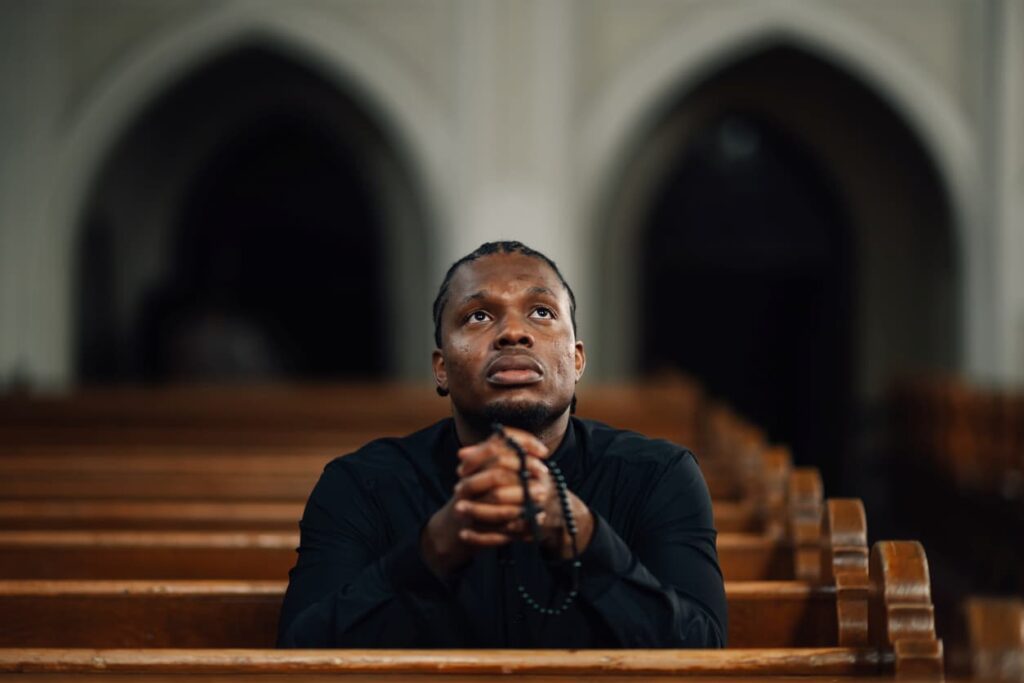
These practices are an excellent starting point when considering a plan of life. They are as follows:
- Prayers/Devotions – The most highly recommended are The Holy Rosary, Scripture Reading, Mental Prayer, Eucharistic Adoration, and The Way of the Cross.
- Consistent Aspirations – These are short prayers offered throughout the day. “A partial indulgence is granted to the faithful who, in the performance of their duties and in bearing the trials of life, raise their mind with humble confidence to God, adding even if only mentally — some pious prayer or invocation.” (“My Jesus, Mercy.” or “Jesus, Mary, I love you. Save souls”)
- Generosity (Giving Alms) – The giving of oneself for the good of another. “A partial indulgence is granted to the faithful who, in a spirit of faith and mercy to give of themselves or of their goods to serve their brothers in need.”
- Mortification – These are acts of self-denial for the love of God. “A partial indulgence is granted to the faithful who, in a spirit of penance, voluntarily deprive themselves of what is licit and pleasing to them.”
When making your plan of life, use this list of broad categories and ensure that you have incorporated some specific practice from each category into your daily life. This will help you pattern your spiritual practices according to the foundational blueprint given by the Church.
Remember to gain the indulgences attached to these activities as well. There is a partial indulgence attached to each of them every time they are performed!
The Virtues – Specificity for Improvement
Animating our duties of life and pious practices are the moral and theological virtues; that’s why every Catholic plan of life must include a concerted effort to grow in the life of virtue. Many saints and spiritual masters have recommended the practice of focusing on one virtue at a time. This is because, with focus and specificity, we can have a greater impact than with more general and broad intentions.
If we consider where we often fall, even in small ways, we will find many daily concrete opportunities to exercise a contrary virtue. For example, if we easily become exasperated on the road, we can make a resolution to pray an aspiration when traffic moves slowly. “Jesus, meek and humble of heart, make my heart like unto Thine.”
This makes the ability to act out the virtue more concrete, and the resolution we made beforehand can help to engage the will in the moment of temptation. For this reason, when creating a plan of life, it is a good idea to choose a single virtue per month (or even per quarter) and focus on improving in that area before moving on to another.
How to Make the Plan of Life
Now that we can see the importance of constructing a plan of life, let’s consider the process of actually creating it. Generally speaking, a plan of life should consist of two things:
- What we will do (our practices).
- When we will do it (our schedule).
Most spiritual masters have broken the day up into hours or phases and then placed specific practices in each phase. For example, it makes sense to examine our conscience in the evening as we naturally have something to look back on as we review our day.
When first developing a plan of life, it is a good idea to begin by focusing on mornings and evenings and leaving the midday open for various duties. We can begin the process by writing down the activities we’d like to incorporate into daily life and then categorizing them by the time of day they best fit.
For example, here are some activities we could consider:
- Morning Offering
- Mental Prayer
- Resolution to grow in a specific virtue
- A specific mortification (i.e. no cream in my coffee)
- A specific prayerful aspiration (i.e. “My Jesus, Mercy”)
- The Family Rosary
- Examination of Conscience
Then, taking the list of chosen practices, reflect on your daily duties and integrate the two. For example:
Daily Plan Example
- Morning – Rise at 6:00 and make a Morning Offering. Spend 30 minutes in mental prayer. Make a resolution to improve on the virtue of ____. Have breakfast and get ready for work.
- Work Day – Begin work at 8:00. Make a mental offering of the work day to God. Between tasks throughout the work day, recollect briefly and pray, “Jesus, Mary, I love you. Save souls.”
- Evening – Get home at 6:00 and spend an hour with the family. At 7:00, have dinner followed by the Family Rosary.
- Night – Go to bed at 9:30. Before retiring, make an examination of conscience. Focus on the virtue that you had resolved to improve upon. Make an act of thanksgiving and an act of contrition.
- Alms/Generosity – Plan to give some time and attention to _______ (someone who is struggling and needs help at work).
- Mortifications – No snacking between meals. Limit internet use to one hour.
- Prayerful Aspiration for the day – “Jesus, Mary, I love you. Save souls.”
Weekly, Monthly, etc
In addition to a daily plan, consider activities that are not for each day but should still be a regular part of your Catholic Life. These are things like:
- Attending Mass
- Going to Confession
- Eucharistic Adoration
- Going on a Retreat
- Receiving Spiritual Direction
Be sure to include when you will go to Mass and Confession in your plan of life. These two are absolutely necessary to stay in the State of Grace and should be done often. For example, you may resolve to attend holy Mass twice a week and go to confession once or twice a month.
Prudence and Direction
We must exercise the virtue of prudence in crafting our plan of life, as it is possible to make a mistake and create problems in our daily lives. That’s why it’s highly recommended to:
- Regularly evaluate your plan and consider if it is fruitful and where it may have become problematic. Being faithful to it is critical, but we must also maintain a flexibility that allows us to adapt where we should. The key here is not to change the plan because we don’t feel like doing parts of it, but rather because we see that it is becoming a problem for our growth.
- Find a good and holy priest to provide some spiritual direction. You do not necessarily need to see him regularly, but sitting down and reviewing your plan of life together will be very beneficial. He will likely see if there are any problems you may have missed, and the state of life as a priest provides him with special graces for the care of souls. Take advantage of our spiritual guides and fathers, but be discerning in your choice, as a spiritual director can also create problems if they are not well-formed spiritually.
The Necessity of Fortitude
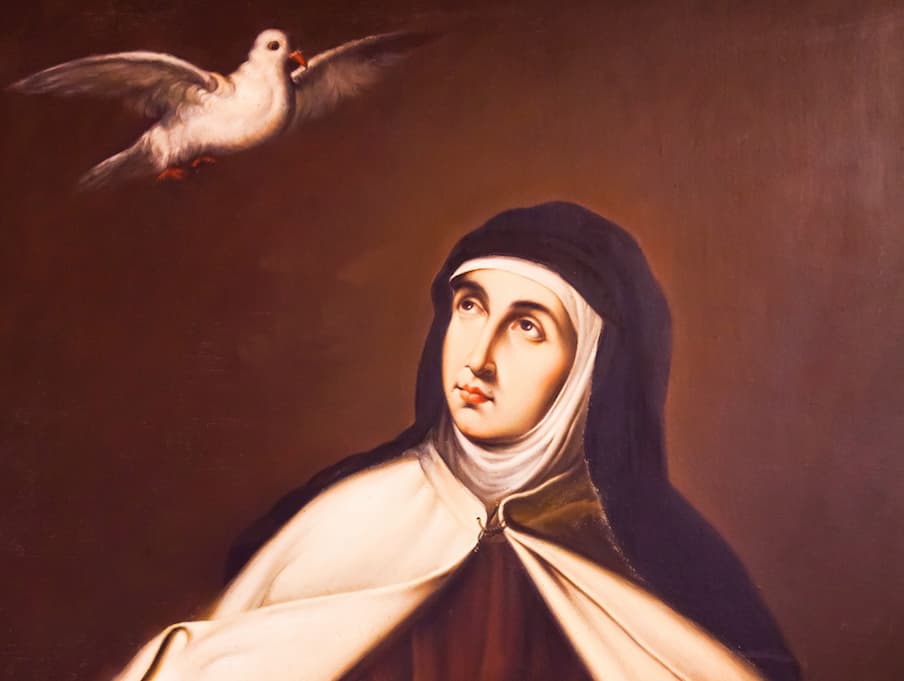
St. Teresa of Avila in “The Way of Perfection,” speaking of those who begin the life of prayer says, “They should begin well by making an earnest and most determined resolve not to halt until they reach their goal, whatever may come, whatever may happen to them, however hard they may have to labor, whoever may complain of them, whether they reach their goal or die on the road or have no heart to confront the trials which they meet, whether the very world dissolves before them.”
The Saint understands well that human nature is fickle and quickly loses its first fervor. That’s why living an intentional Catholic life requires fortitude and commitment. It will not always be easy to stick to our chosen actions, even if they are rather modest, but perseverance is the key to growth.
Conclusion
Living an intentional Catholic life is fundamentally about replacing the bad habits that we often fall into with a strong, focused pattern of life that is conducive to growth in the love of God and the life of prayer. It is a determined effort to align our lives with the pattern of Christ and the values of the Catholic faith. By crafting a plan of life, rooted in prayer and the wisdom of the saints, we can embark on the journey of our spiritual growth with purpose and real hope of reaching our destination.