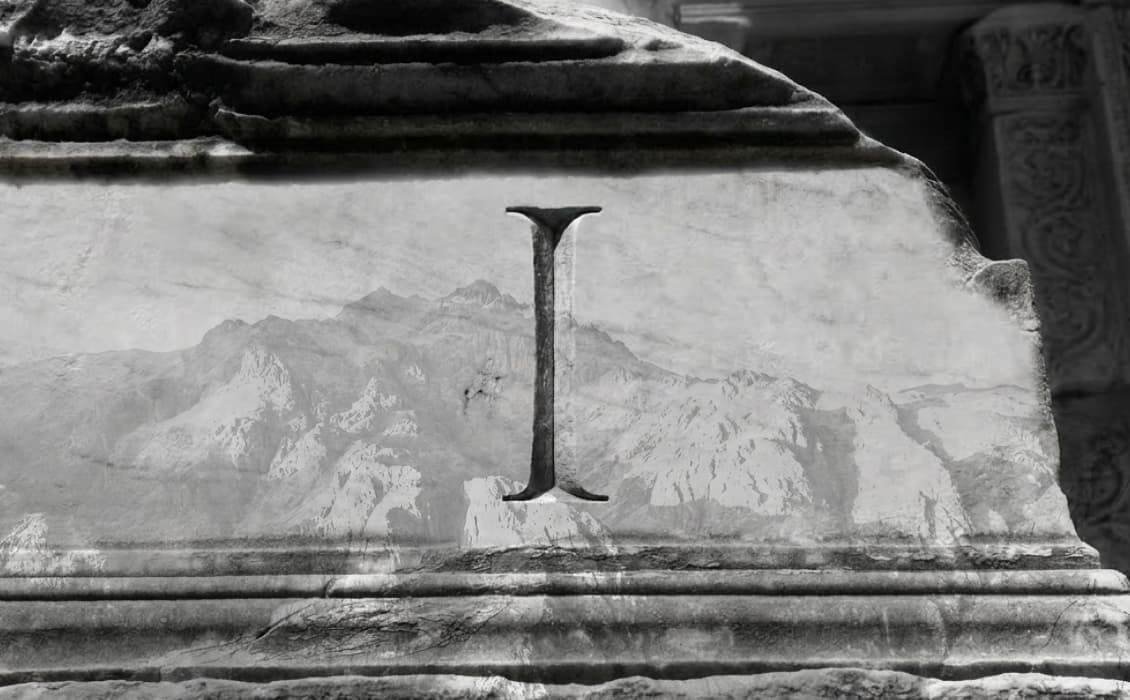
The Ten Commandments, or the Decalogue, serve as the “ten words” that light the path of the moral life. They were given to Moses by God and reveal something of God’s nature and His desire for fellowship with us. They are a series of commands that will distinguish the people of God by their behavior. But why does the list begin where it does? Because the Commandments of God progress from that which we owe our Creator directly, to that which we owe our neighbor who bears His image. So, to begin the spiritual life, we must ask: What is the first commandment?
In the Catholic tradition, the First Commandment is: “I am the Lord your God: you shall not have strange Gods before me.”
While it may seem like a simple prohibition against ancient idols, this commandment is actually the foundation of all human happiness. It is the first, not just in order, but in priority. Without a right relationship with God, the rest of the commandments have no anchor.
To understand God’s first commandment in the Bible, we must look at the two places it is formally given: Exodus 20:2-6 and Deuteronomy 5:6-10.
In both accounts, God begins not with a demand, but with a reminder of His identity and His relationship with His people: “I am the LORD your God, who brought you out of the land of Egypt, out of the house of bondage.”
Before God tells us what to do, He reminds us of who He is and what He has done for us. He is the Lord, the All-Powerful One, and the Great Liberator. The First Commandment is an invitation to remain in the freedom that God has already won for us. When we put other “gods” before Him, we aren’t just breaking a rule; we are walking back into a “house of bondage,” subjecting ourselves to a ruler that does not love us and has no desire to free us.
If you have ever compared a Catholic list of the commandments to a Protestant one, you may have noticed a difference in numbering. This often leads to the question: Why do Catholics combine “No other gods” and “No idols” into one?
Following the tradition of St. Augustine, the Catholic Church sees the prohibition of strange gods and the prohibition of “graven images” as two parts of a single command. The goal is the same: to worship the one true God alone. Because we group these together, Catholic numbering remains consistent with the ancient tradition, while some Protestant denominations split them into the first and second commandments.
The First Commandment’s meaning goes far beyond prohibiting the worship of statues. At its core, it is a positive command to practice the three Theological Virtues:
The Catechism of the Catholic Church is very clear about the sins against the first commandment. These fall into several categories:
Atheism (the rejection of God’s existence) and Agnosticism (the claim that we cannot know if God exists) are direct violations of the duty to know and love our Creator. Similarly, sacrilege – the profanation of people, places, or things consecrated to God (especially the Eucharist) – is a grave sin against the reverence we owe Him.
Superstition is a “perverse excess of religion.” It occurs when we attribute a magical power to certain practices, objects, or even prayers, as if they could force God’s hand or bypass His will.
A major “red flag” in the spiritual life is the attempt to gain hidden knowledge or exert influence through spiritual means apart from God. This is why the Church strictly forbids:
Saul died because he was unfaithful to the Lord . . . and even consulted a medium for guidance, and did not inquire of the Lord. So the Lord put him to death… (1 Chronicles 10:13-14).
Exerting power by spiritual means apart from God is a form of spiritual pride. It is the original sin of Eden: the desire to “be like God” but without God.
Although we may not worship a Golden Calf, as the Israelites did in the book of Exodus, there are still plenty of modern idols competing for the love and worship we are commanded to give to God. Let’s take a closer look at this.
In the ancient world, idolatry involved bowing down to statues of wood or stone. Today, the First Commandment is more often broken through “interior idols.”
An idol is anything that takes the place of God as the center of your life. It is the thing you think about most, the thing you sacrifice your values for, and the thing you look to for ultimate security. Common modern idols include:
A frequent point of confusion is the biblical command: “You shall not make for yourself a graven image” (Exodus 20:4). Critics often ask: If Catholics follow the 10 Commandments, why do they have statues of Saints?
The answer lies in the type of image and its intent. In the Old Testament, God forbade images that were intended to be worshipped as gods. However, in the very same Bible, God commanded the making of images for religious use – such as the golden Cherubim on the Ark of the Covenant (Exodus 25:18) and the Bronze Serpent (Numbers 21:8).
For Catholics, religious statues are like family photographs. We do not worship the plaster or the wood; we honor the person the statue represents. By “venerating” a Saint, whose statue stands in our church or home, we are ultimately praising God, who worked such wonders in that person’s life, and continues to do so through their intercession for us.
Catholics understand that medals depicting Jesus, Mary, or the saints are not magical amulets we can use to get what we want or avoid what we fear. They are physical reminders that we are people devoted to God and to His supernatural command over us. Wearing these medals is like putting on the armor of God (Eph 6:11). They remind us to pray and help us to live holy lives. They signify that Catholics trust in God’s love and protection through the intercession of the angels and saints. Additionally, if a priest blesses a medal or scapular, it becomes a sacramental, which is a channel of God’s grace to the one who wears it.
Living the First Commandment isn’t just about avoiding sin; it’s about a total orientation of the heart. You can practice this by:
When we answer the question, “What is the first commandment?” we realize it is a guardrail on our Christian sojourn, and the foundation for our joy. God does not demand our worship because He is insecure or needy. He demands it because we were made for Him. When we put God first, everything else in our lives – our families, our plans, our work – falls into its proper place.
The first commandment is the foundation of a clear conscience. If you find that other “strange gods” have crept into your heart, do not be afraid to return to the Father who brought you out of the darkness of bondage “into His marvelous light” (1 Peter 2:9).
Ready to reflect deeper on your relationship with God? Use our Examination of Conscience Based on the Ten Commandments to prepare your heart for the Sacrament of Confession.
No Subscriptions, NoPaywall, 100% Free!
Experience the richness of our Catholic Faith with the free Covenant Network app, now available on your iPhone or Android.


No Subscriptions, NoPaywall, 100% Free!
Experience the richness of our Catholic Faith with the free Covenant Network app, now available on your iPhone or Android.


An initiative of Covenant Network
A new app for daily prayer and the interior life, coming to iOS.