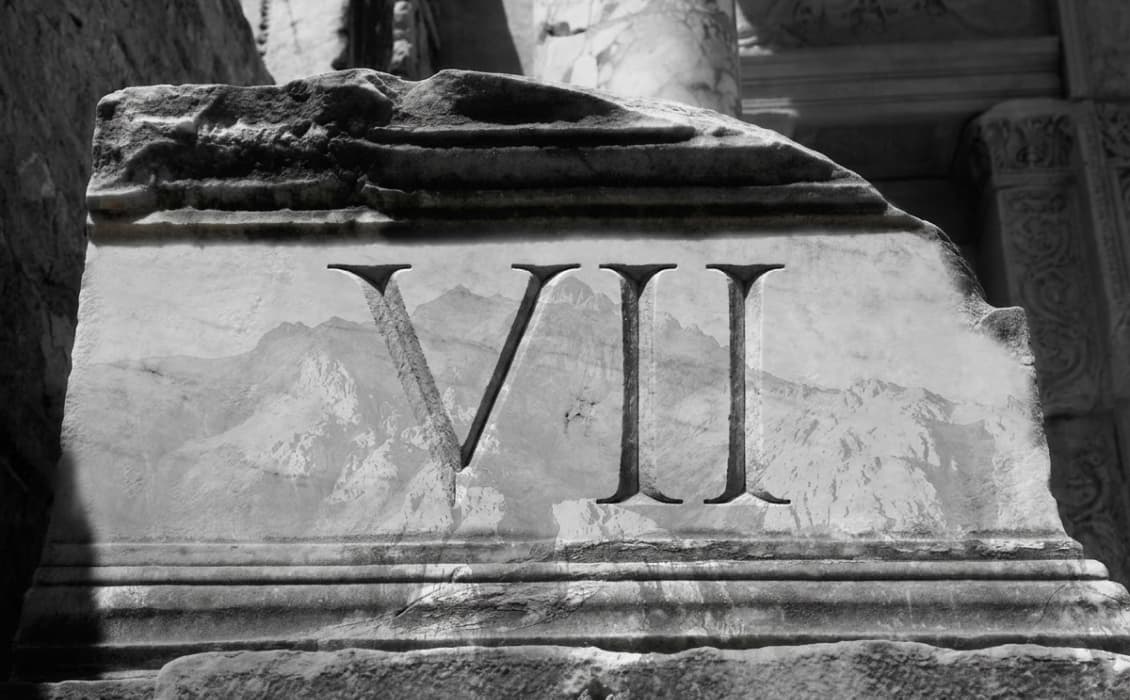
In a world governed by profit margins, property rights, and consumerism, the concept of “ownership” is often misunderstood as an absolute right. We tend to think that anything we have earned, bought, or found is ours to do with exactly as we please. However, the divine law introduces a higher standard – one based on justice, the common good, and our role as caretakers of God’s creation. To understand how we are called to handle the things of this world, we must ask: What is the seventh commandment?
The Catholic Seventh Commandment is: “You shall not steal.”
While this may seem like a simple prohibition against taking someone else’s wallet, the Catholic Church teaches that this commandment is the foundation of Justice. It governs how we treat our neighbors’ goods, how we act in the workplace, and how we care for the earth itself.
When we look at the Seventh Commandment in the Bible (Exodus 20:15 and Deuteronomy 5:19), it stands as a clear protection of the “neighbor’s goods.” In the biblical context, stealing was not just a violation of property; it was a violation of the peace of the community.
To restore peace and trust, the Bible specifies the remedy when this commandment was broken: the requirement of Restitution. In the Old Testament, if someone stole an ox or a sheep, they didn’t just apologize; they had to pay back more than they took to restore the balance of justice (Exodus 22:1).
In the New Testament, we see this lived out perfectly in the story of Zacchaeus, the tax collector. After meeting Jesus, Zacchaeus famously declared, “If I have defrauded anyone of anything, I restore it fourfold” (Luke 19:8).
For the Christian, not stealing is only the beginning. The goal is to live with such integrity and generosity that the community is made whole.
When we explore the meaning of the Seventh Commandment, we are looking at the virtue of Justice, defined as “giving to each person what is their due.” This commandment covers three primary areas of life:
The Catholic Church defends the right to own private property. Owning things provides for the security of the family and the freedom of the person. However, this right is not absolute. The Catechism teaches that there is a “Social Mortgage” on everything we own. This means we have a duty to use our goods not just for ourselves, but for the service of others and the common good.
This is a core principle of Catholic Social Teaching. It means that God created the earth and its resources for all people. Therefore, while we have a right to private property, that right must never interfere with the basic survival and dignity of others. If a few people have a massive surplus while others lack bread, the spirit of the Seventh Commandment is being violated.
The Seventh Commandment requires us to be men and women of our word. This means honoring business agreements, paying debts on time, and being honest in all commercial transactions.
Most people will go their whole lives without robbing a bank. However, the Seventh Commandment is frequently broken in much quieter ways in our modern lives.
One of the most common violations today is in the professional world. We “steal” when we:
The Seventh Commandment also applies to those in power. Employers “steal” from their workers when they refuse to pay a Living Wage or when they create unsafe working conditions to maximize profit. Withholding a just wage is identified in Scripture as one of the “sins that cry to heaven for vengeance.”
In the digital age, the Seventh Commandment extends to the intangible. This includes:
One of the unique aspects of the Seventh Commandment is the Duty of Restitution.
The Church teaches that the sin of theft is not truly settled simply by saying, “I’m sorry,” in the confessional. If you have stolen something, justice requires that you return it. If the object is gone, you must pay back its equivalent value. If you cannot find the person you stole from, you should donate the value of the stolen goods to a charity or the poor. This act of restitution is a necessary sign of the sincerity of our repentance.
When preparing for Confession, consider these areas of “Justice”:
The Catechism (CCC 2408) teaches that if someone is in “obvious and urgent necessity” (such as immediate starvation) and the only way to survive is to take the bread of another, this is not technically theft. This is because the universal destination of goods (the right to live) takes precedence over the right to private property in extreme life-or-death cases.
If you find something of value, the Seventh Commandment requires you to make a reasonable effort to find the owner. Keeping a lost item without trying to return it is a form of theft by omission.
Yes. Even if the victim is a big corporation, you are still depriving workers and creators of the compensation they are owed for their labor.
What is the Seventh Commandment? It is a call to live with open hands rather than clenched fists. It reminds us that we are guests on this earth, and that everything we “own” is actually a gift on loan from God.
When we live the Seventh Commandment, we move from being consumers to being stewards. We find a new freedom in realizing that our worth is not found in what we possess, but in how justly and generously we treat the world around us.
Is there a debt you need to pay or a habit of dishonesty you need to break? Use our Detailed Examination of Conscience for Adults to reflect on your stewardship and prepare for a transformative Confession.
No Subscriptions, NoPaywall, 100% Free!
Experience the richness of our Catholic Faith with the free Covenant Network app, now available on your iPhone or Android.


No Subscriptions, NoPaywall, 100% Free!
Experience the richness of our Catholic Faith with the free Covenant Network app, now available on your iPhone or Android.


An initiative of Covenant Network
A new app for daily prayer and the interior life, coming to iOS.