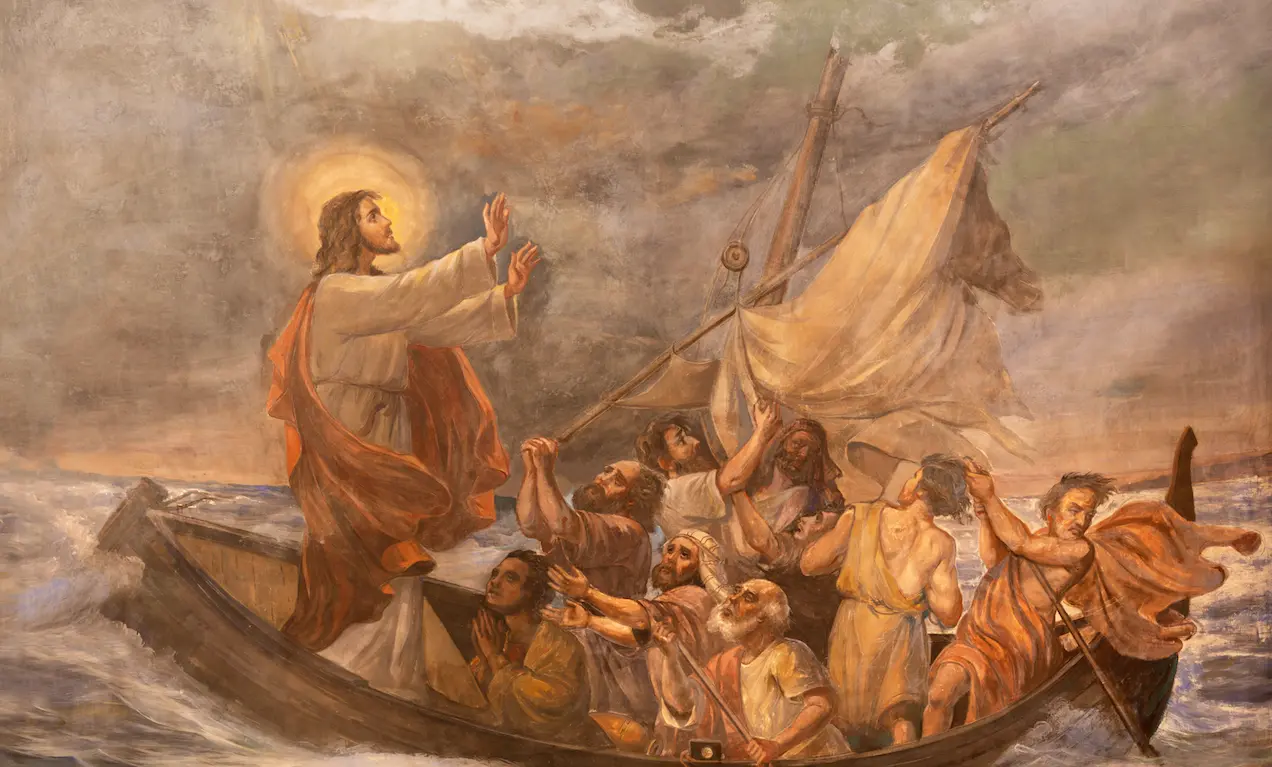
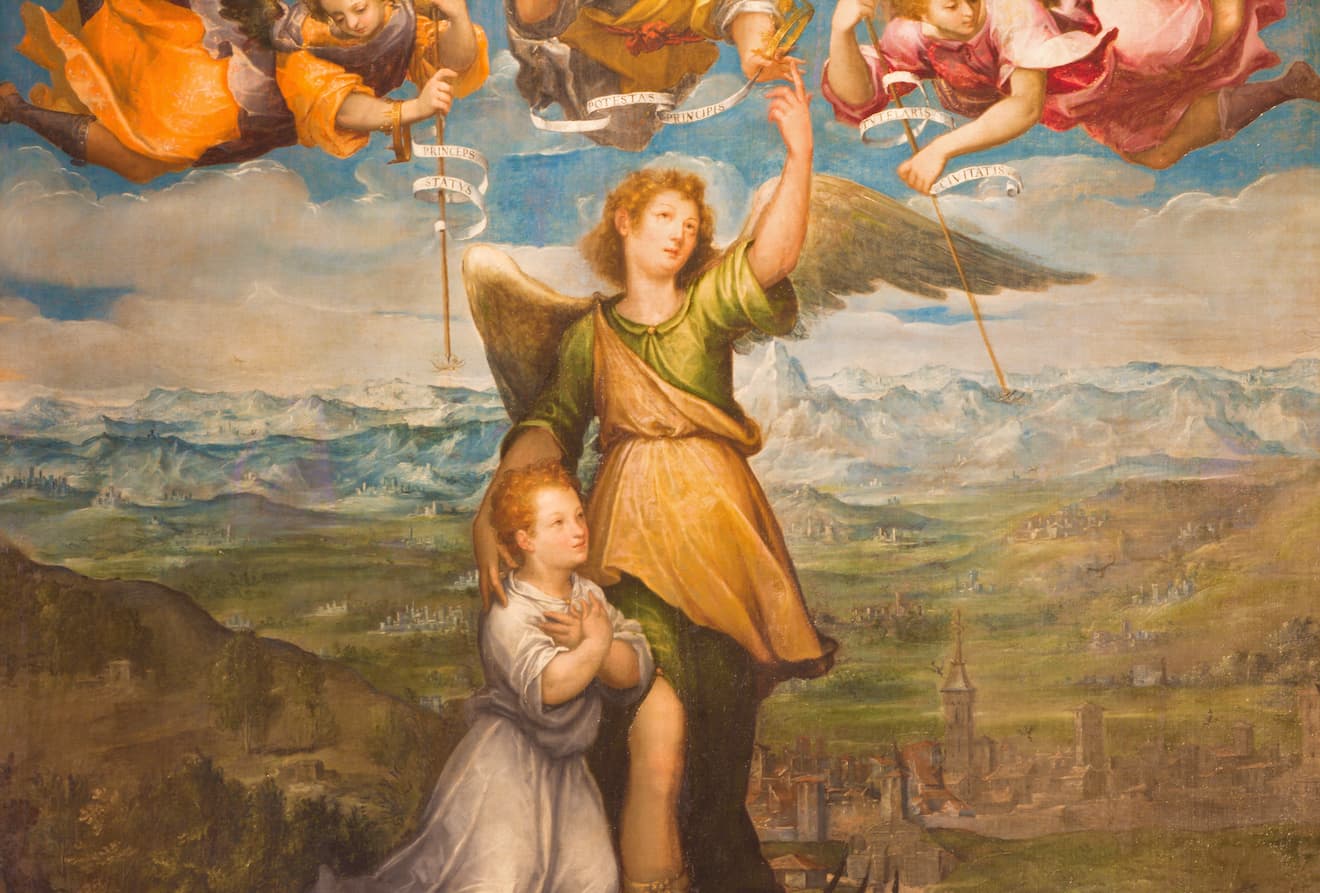
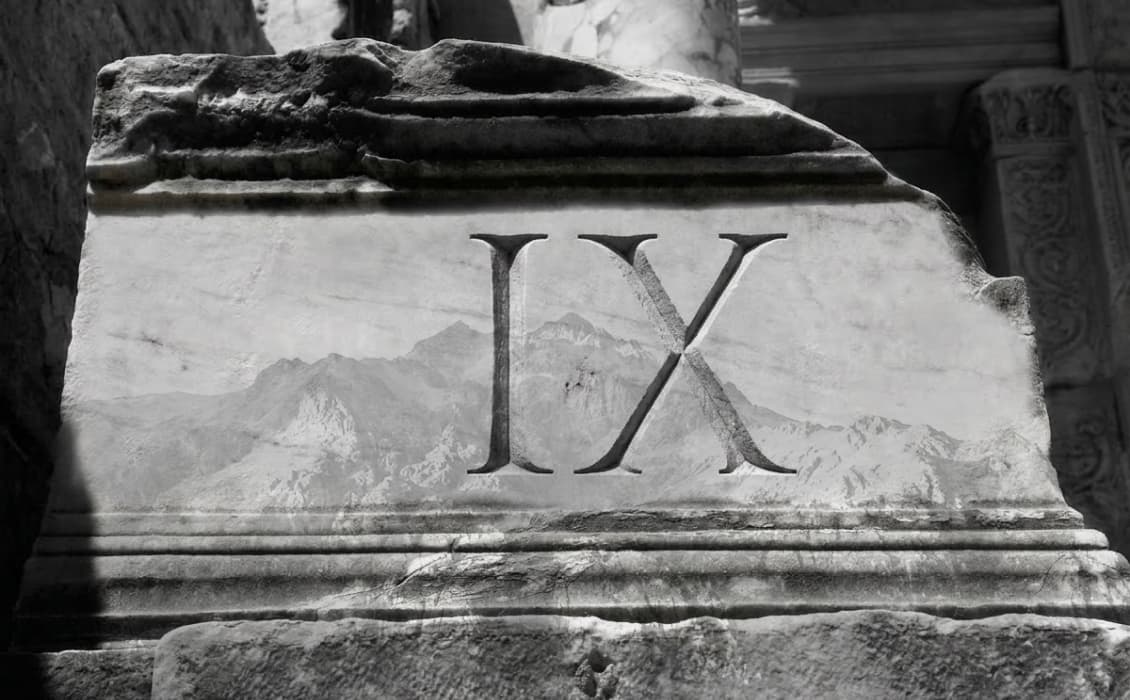
The Stations of the Cross, also known as the Way of the Cross or Via Crucis, is a popular Catholic devotion that commemorates the Passion and death of Jesus Christ. It consists of 14 specific events (stations) beginning with His condemnation by Pontius Pilate and ending with His burial in the tomb. By meditating on these scenes, the faithful spiritually accompany Christ on His journey to Calvary, entering into the mystery of His redemptive suffering.
The List of the 14 Stations
Historically, the scenes along the Via Dolorosa varied, but since the 18th century, the Church has recognized the following 14 stations.
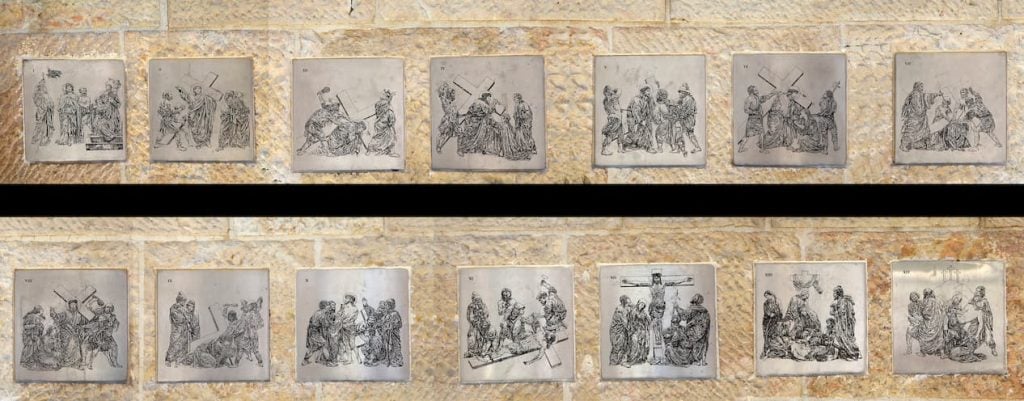
- Jesus is Condemned to Death
Jesus stands before Pontius Pilate. Though innocent, He submits to the unjust sentence to save humanity from sin. - Jesus Carries the Cross
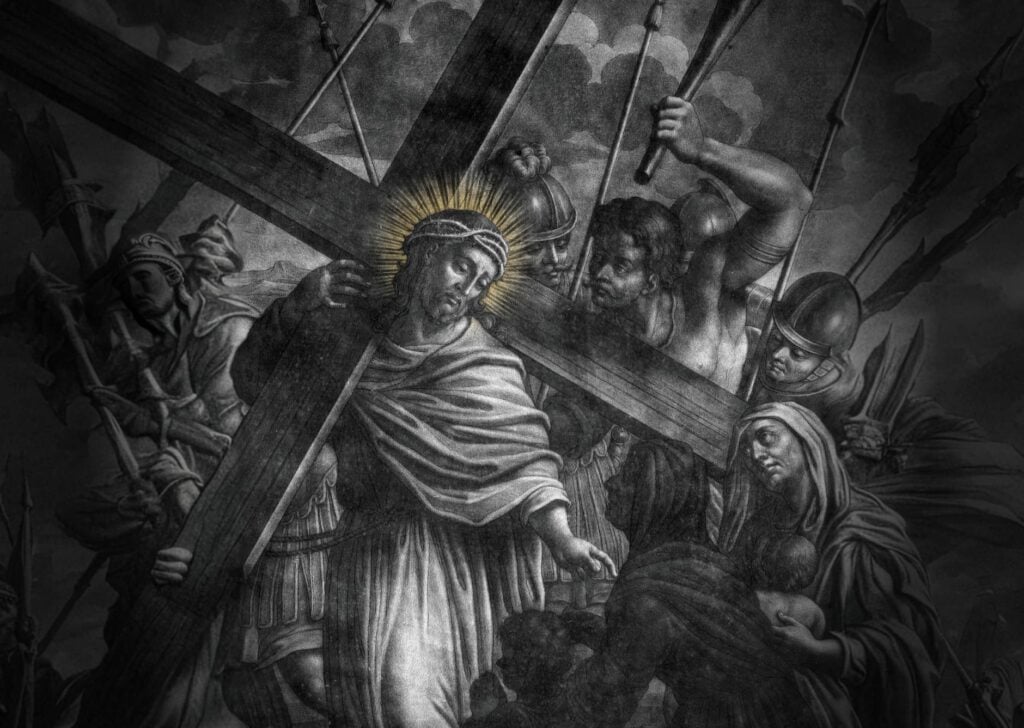
Jesus accepts the heavy wood of the Cross, embracing the instrument of His death and our salvation. - Jesus Falls the First Time
Weakened by blood loss and the scourging, Jesus collapses under the weight but struggles up to continue. - Jesus Meets His Mother
The Blessed Virgin Mary meets her Son on the road. Their eyes meet, sharing a moment of intense, silent sorrow. - Simon Helps Jesus Carry His Cross
Simon of Cyrene is forced by soldiers to help carry the load, reminding us to help others carry their burdens. - Veronica Wipes the Face of Jesus
A courageous woman steps out of the crowd to wipe the blood and sweat from Christ’s face, leaving an imprint of His Holy Face on her veil. - Jesus Falls a Second Time
Despite Simon’s help, the exhaustion is overwhelming, and Jesus falls again, showing us how to rise after we stumble. - Jesus Meets the Women of Jerusalem
Jesus stops to comfort the weeping women, telling them not to weep for Him, but for themselves and their children. - Jesus Falls a Third Time
Near the summit of Calvary, Jesus collapses a final time, completely spent, yet He summons the will to finish His journey. - Jesus is Stripped of His Garments
Soldiers tear the tunic from Jesus’ scourged back, humiliating Him and casting lots for His clothing. - Jesus is Nailed to the Cross
Jesus is thrown upon the wood, and large nails are driven through His hands and feet. - Jesus Dies on the Cross
After three hours of agony, Jesus bows His head and yields His spirit to the Father. - Jesus is Taken Down from the Cross
The lifeless body of Jesus is removed from the Cross and placed in the arms of His grieving Mother (The Pietà). - Jesus is Laid in the Tomb
Joseph of Arimathea wraps Jesus in a clean linen shroud and places Him in a new rock-hewn tomb.
How to Pray the Stations of the Cross
Follow along easily with our free visual guide at PrayTheStations.org
The essence of the devotion is movement and meditation. While many use prayer books (like those of St. Alphonsus Liguori), no specific vocal prayers are strictly required—only devout meditation on the Passion.
The Basic Method:
- Move to the Station: Begin at the first station. If you are in a church, physically walk to the image depicting the scene.
- Genuflect: It is customary to kneel or genuflect upon arriving at the station. A common opening versicle is: “We adore You, O Christ, and we praise You, because by Your holy cross You have redeemed the world.”
- Meditate: Look at the image or close your eyes. Picture the scene. Consider what Jesus suffered in that moment and express your love and sorrow for sins.
- Pray: Recite an Our Father, Hail Mary, and Glory Be, or read a specific meditation from a guide.
- Proceed: Stand and move to the next station.
History: From Jerusalem to the Parish
The Stations of the Cross harken back to the earliest days of Christianity. The first Christians in Jerusalem venerated the places where Christ suffered, a path that became known as the Via Sacra.
Tradition and private revelation suggest the Blessed Virgin Mary was the first to “walk the Stations.” After the Ascension, she is said to have retraced her Son’s steps daily. When she moved to Ephesus with St. John, she replicated the Via Crucis on a hill behind her home, counting the steps and arranging stopping points for prayer.
The Role of the Franciscans
In the Middle Ages, the Holy Land came under Muslim rule, making travel dangerous. To allow the faithful to make this pilgrimage without leaving home, “stations” were replicated in Europe.
- 5th Century: St. Petronius, Bishop of Bologna, constructed a complex of chapels replicating the Holy Sepulchre and other sites.
- 14th Century: Blessed Henry Suso, a Dominican, would walk around his cloister meditating on the Passion, marking the beginning of the “spiritual pilgrimage” concept.
- 16th–17th Century: The Franciscans, guardians of the holy sites in Jerusalem, formalized the devotion. They erected signs at the “stations” along the Via Dolorosa to guide pilgrims.
Eventually, the Franciscans were granted the right to erect these stations in churches worldwide. By the mid-18th Century, Pope Clement XII fixed the number at 14, allowing Catholics everywhere to make the journey to Calvary within their own parishes.
Indulgences & Spiritual Benefits
The Church attaches a Plenary Indulgence to the pious exercise of the Way of the Cross. This releases the faithful from all temporal punishment due to sin.
Requirements for the Plenary Indulgence:
To gain the indulgence, the following norms (from the Enchiridion Indulgentiarum) generally apply:
- Legitimately Erected Stations: The exercise must be done before stations that have been lawfully erected (usually 14 crosses).
- Movement: You must move from one station to the next. Note: If the exercise is done publicly and moving would cause disorder, it suffices if the leader moves while the congregation remains in place.
- Meditation: You must devoutly meditate on the Passion and Death of the Lord. Specific vocal prayers are not required, though using them is customary.
- Usual Conditions: In addition to the work above, one must fulfill the usual conditions: Sacramental Confession, Eucharistic Communion, and prayer for the intentions of the Holy Father.
Those who cannot physically go to a church (due to illness or other impediment) can gain the same indulgence by spending at least 15 minutes in reading and meditation on the Passion.
What the Saints Say
Saints have long taught that meditating on the Passion is the key to holiness.
- St. Bonaventure: “There is no practice more profitable for the entire sanctification of the soul than the frequent meditation of the sufferings of Jesus Christ.”
- St. Augustine: “Divine love fills the hearts of those who think on the sufferings of Jesus.”
- St. Alphonsus Liguori: “We read simultaneously in the wounds of Christ the great malice of sin… and the love which our Savior has shown us in choosing to suffer so much.”
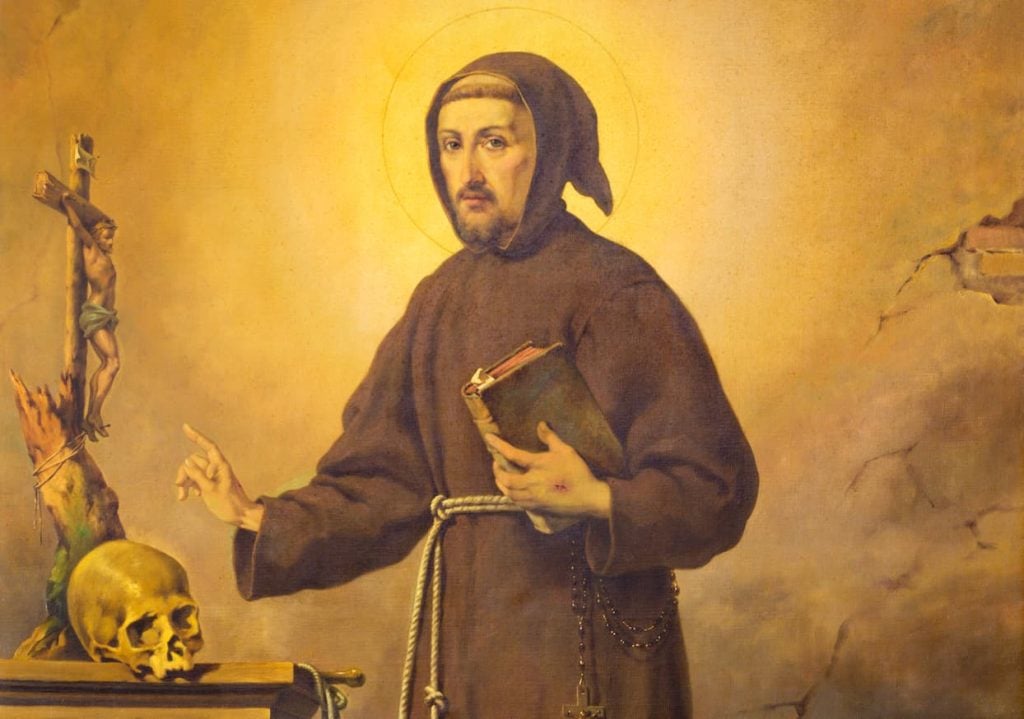
- St. Leonard of Port Maurice, a Franciscan who set up over 500 sets of Stations, including those in the Roman Coliseum, said: “If the remembrance of the Passion is deeply engraved on the hearts of the people, their conduct will be holy.”
- Pope St. John Paul II: “The Way of the Cross… means to recognize, in the light of this love, our own cross. It means to take up that cross once more and, strengthened by this love, to continue our journey.”
Frequently Asked Questions (FAQ)
Can you pray the Stations of the Cross at home?
Yes. While the Plenary Indulgence attached to the “stations” generally requires visiting a church with erected stations, you can pray the devotion privately at home for great spiritual benefit. You can use a crucifix, a book, or an online guide to meditate on the 14 scenes.
How long does it take to pray the Stations of the Cross?
It typically takes between 20 to 45 minutes, depending on whether the prayers are recited, sung, or done in silence. A simple recitation of the titles and an Our Father at each station may take 20 minutes, while St. Alphonsus Liguori’s method usually takes about 30 minutes.
When should the Stations of the Cross be prayed?
This devotion can be prayed at any time of year. However, it is most commonly prayed on the Fridays of Lent, and especially on Good Friday, the day Christ died. Some faithful also practice it on First Fridays of every month.
Going Deeper
If you found this guide to the Stations of the Cross helpful, deepen your spiritual journey with these related resources from Covenant Catholic:
- Sorrowful Mysteries of the Rosary: Continue your reflection on Christ’s Passion through the Holy Rosary. This guide covers the Agony in the Garden, Scourging, and Crucifixion.
- Divine Mercy Novena: Often prayed at the “Hour of Mercy” (3:00 PM), this devotion is a powerful companion to the Stations. Learn the history and promises of St. Faustina’s prayer.
- Catholic Mortification: Meaning & Practical Examples: The Stations are a penitential devotion. Read this article to understand the spiritual power of “dying to self” and uniting your sacrifices to the Cross.
- July Catholic Devotion: The Precious Blood of Jesus: A deep dive into the theology of the Blood Christ shed for us, from His Scourging to the piercing of His side.
- November Catholic Devotion: The Poor Souls in Purgatory: Did you know you can apply the indulgences from the Stations of the Cross to the souls in Purgatory? Learn more about this spiritual work of mercy here.